Hi all,
I wanted to let you know about an once in a lifetime exhibit coming to the Metropolitan Museum of Art this fall, Running from November 13 through February 12, 2018. The exhibit, titled: Michelangelo: Divine Draftsman and Designer, will feature 150 drawings and three sculptures by the world renowned Michelangelo.
The legendary artist is most famously known for his sculpture David, as well as his work in the Sistine Chapel. The David is one of the most recognizable pieces of art in the entire world, and attracts millions of visitors each year. the website Gothamist reports that the exhibit will feature "[Michelangelo's] earliest painting, his wood architectural model for a chapel vault, the complete series of masterpiece drawings he created for his friend Tommaso de’Cavalieri and a monumental cartoon for his last fresco in the Vatican Palace."
If you are in New York this fall, I highly recommend visiting this exhibit. I know I will be going!
Friday, May 26, 2017
Sunday, May 7, 2017
Sunday UNESCO Spotlight: Uluru
Good morning everyone!
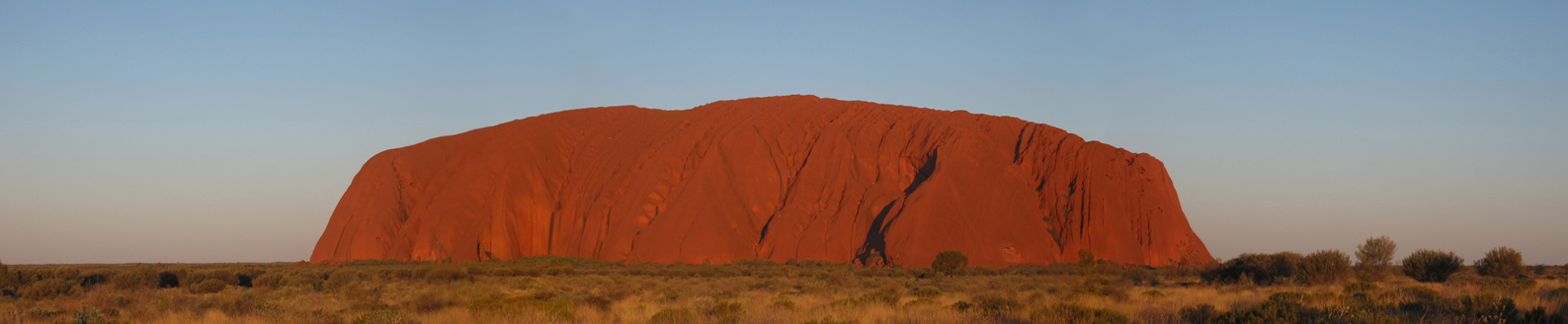
For this Sunday's edition of UNESCO spotlight, I decided to change things up and focus on a non-human site, Uluru-Kata Tjuta National Park. For many of us, the site is first known by the name of Ayer's Rock, given to the site in 1873 by William Goose, in honor of Sir Henry Ayers. Until 2002, the primary name for the rock was listed as Ayer's Rock/Uluru, but was reversed by request the Regional Tourism Association. This was to give more recognition to the religious and cultural importance of the site to the Aboriginal people of Australia.
Uluru stands 348 meters tall, and is made out of a red sandstone. While appearing incredible tall to the eye, most of the structure actually lies underground. While visitors are not forbidden from climbing the structure, they are advised against it by the local Aṉangu people, do the significance of the site as well as their interest in the safety of the visitors.
The Encyclopedia of Sacred Places by Norbert Brockman describes a famous myth related to the creation of Uluru:
Sources Cited:
For this Sunday's edition of UNESCO spotlight, I decided to change things up and focus on a non-human site, Uluru-Kata Tjuta National Park. For many of us, the site is first known by the name of Ayer's Rock, given to the site in 1873 by William Goose, in honor of Sir Henry Ayers. Until 2002, the primary name for the rock was listed as Ayer's Rock/Uluru, but was reversed by request the Regional Tourism Association. This was to give more recognition to the religious and cultural importance of the site to the Aboriginal people of Australia.
Uluru stands 348 meters tall, and is made out of a red sandstone. While appearing incredible tall to the eye, most of the structure actually lies underground. While visitors are not forbidden from climbing the structure, they are advised against it by the local Aṉangu people, do the significance of the site as well as their interest in the safety of the visitors.
The Encyclopedia of Sacred Places by Norbert Brockman describes a famous myth related to the creation of Uluru:
The first [tale] tells of serpent beings who waged many wars around Uluru, scarring the rock. The second tells of two tribes of ancestral spirits who were invited to a feast, but were distracted by the beautiful Sleepy Lizard Women and did not show up. In response, the angry hosts sang evil into a mud sculpture that came to life as the dingo. There followed a great battle, which ended in the deaths of the leaders of both tribes. The earth itself rose up in grief at the bloodshed, becoming Uluru.
Uluru and the surrounding area were not returned to the Aṉangu who originally owned the land until 1985. An important victory for Indigenous people in both Australia and around the world. Many such monuments and pieces of art are still held by those who took them from their native peoples without express permission, it is important to continue the goal of returning such items back to their rightful owners.
For more information on Uluru, please visit UNESCO's page on the site
Sources Cited:
- Brockman, Norbert C (June 1997). Encyclopedia of Sacred Places. Santa Barbara, California: ABC-Clio Inc. pp. 292–93. ISBN 0-19-512739-0.
Subscribe to:
Posts (Atom)